


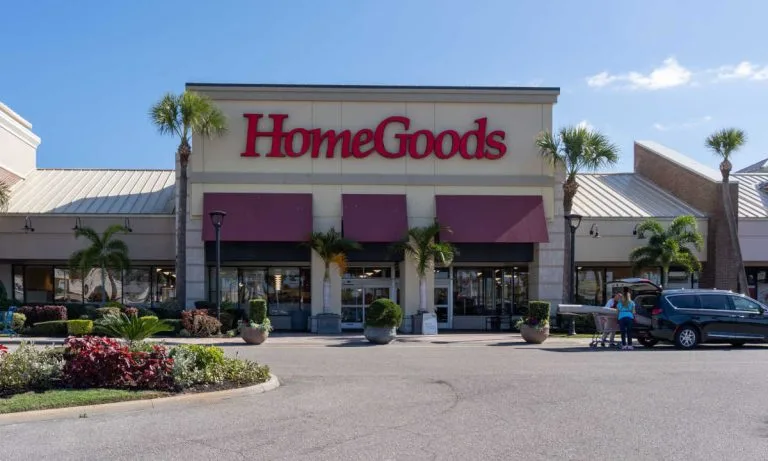
The decision to focus on brick-and-mortar retail aligns with the unique sensory experience that physical stores offer, which cannot be replicated by online shopping.

(Image Source)
GLO
HomeGoods, the discount furnishing store chain, has announced the closure of its online store just two years after entering the eCommerce space. The parent company, TJX Companies, informed customers of this decision via email. The company stated that it is redirecting its resources toward its physical stores and will be unveiling new store openings shortly.
The rationale for shutting down the online store, which was launched in September 2021, is to enhance the in-store experience for customers. In its physical locations, HomeGoods offers a wide range of discounted products. The last day to make online purchases will be on Saturday, October 21.
HomeGoods made this decision because online sales were not a significant driver of the company’s growth. TJX’s Chief Financial Officer, John Joseph Klinger, had previously stated that eCommerce represented a small portion of their business during an earnings call in August. The closure will exclusively affect the HomeGoods website.
However, customers will still have the option to use their HomeGoods gift cards and merchandise credit at various other TJX-owned stores and websites, including TJ Maxx, Marshalls, Homesense, and Sierra, starting on October 21.
The decision to focus on brick-and-mortar retail aligns with the unique sensory experience that physical stores offer, which cannot be replicated by online shopping. Customers enjoy physically engaging with products, examining their quality, and experiencing the excitement of finding hidden gems or unique items in-store. The tactile and visual aspects of shopping, such as touching and feeling fabrics, smelling scented candles, and seeing product colors, play a significant role in the appeal of physical stores, especially for bargain goods.
Shifting the focus from online to retail can also strengthen customer relationships through face-to-face interactions, personal assistance, and an immersive in-store ambiance that fosters customer engagement. For companies like HomeGoods, this shift can help build lasting and loyal customer connections, generate positive word-of-mouth marketing, and mitigate potential declines in online sales.
HomeGoods is not the only company to prioritize physical retail over eCommerce. Burlington closed its eCommerce site in 2020, emphasizing the competitive and economic advantages of brick-and-mortar stores in their off-price business. Ross Stores, on the other hand, has never ventured into online retail and has continued to expand its physical store presence.
For all PYMNTS retail coverage, subscribe to the daily Retail Newsletter.
