
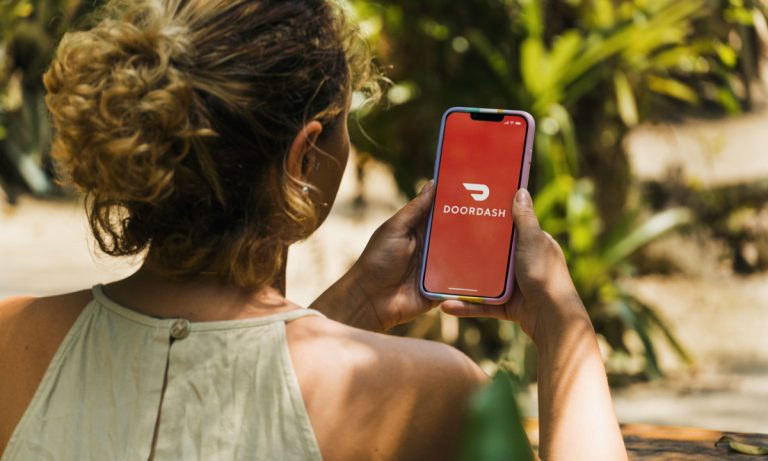
As restaurant aggregators strive to secure customer loyalty and outpace their competitors, subscription programs have become a crucial strategy for both DoorDash and Uber.

(Image Source)
GLOAs restaurant aggregators strive to secure customer loyalty and outpace their competitors, subscription programs have become a crucial strategy for both DoorDash and Uber. These companies are determined to increase member engagement to boost customer retention.
DoorDash’s approach involves focusing on high-frequency restaurant delivery to capture a share of consumers’ everyday food spending. CEO Tony Xu explained that successful subscription programs are those that are used most frequently. While he didn’t provide specific subscriber numbers, he noted that DashPass, DoorDash’s subscription program, had a record quarter with substantial growth in subscribers both quarter-over-quarter and year-over-year.
Uber is similarly dedicated to enhancing the usage of its Uber One membership, which includes discounts for Uber Eats. CEO Dara Khosrowshahi emphasized that while profit margins for Uber One members might be lower due to the discounts, their lifetime value is significantly higher. These members have higher monthly spending and better retention rates compared to non-members.
A PYMNTS survey revealed DoorDash’s dominant position in the U.S. aggregator market, with 77% of respondents reporting purchases from DoorDash in the previous six months, compared to 49% for Uber Eats. However, overall, delivery aggregators represent only a small portion of restaurant purchases.
Although DoorDash leads in the U.S., Uber Eats’ strong global presence narrows the gap internationally. DoorDash reported a marketplace gross order value (GOV) of $16.5 billion in Q2, while Uber reported delivery gross bookings of $15.6 billion.
