
Ad-Panel
Join GLO today for largest global network of loyalty & CX professionals and latest loyalty research & analysis.
Home » Articles » Delta answers to critics and will modify its frequent-flier program after negative feedback

Delta answers to critics and will modify its frequent-flier program after negative feedback

by GLO
0 comments

In response to this feedback, Delta's CEO acknowledged the airline's missteps and pledged to make modifications to address travelers' concerns.

GLO

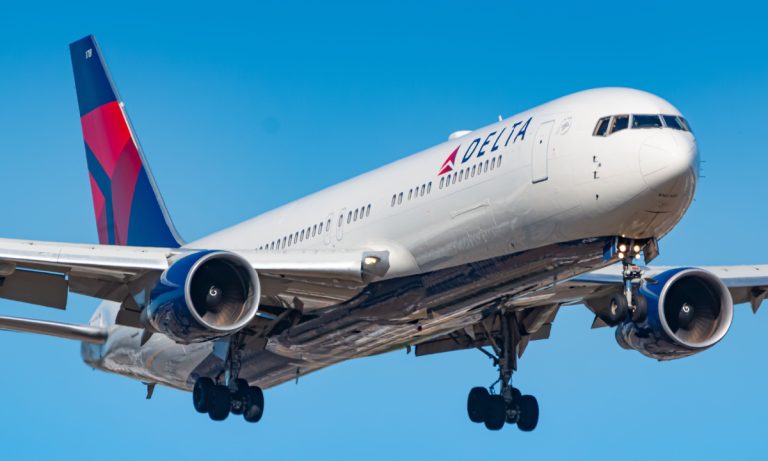
(Image Source)

GLO

Delta Air Lines recently faced significant backlash from its frequent-flier program participants due to recent modifications, according to reports. The changes, unveiled on September 13th, fundamentally altered the way travelers earn frequent-flier status by shifting the criteria from a combination of spending and flight activity to a sole focus on spending. Additionally, the adjustments limited or even eliminated Sky Club lounge access for credit card holders.

The recent changes made by Delta Air Lines to its frequent-flier program faced several criticisms from travelers, including:

  1. Shift to Solely Spending Criteria: One of the main criticisms was the shift in the criteria for earning frequent-flier status. Delta changed it from a combination of spending and flight activity to a sole focus on spending. Many travelers were dissatisfied with this change, as it made it more difficult for those who fly frequently but may not spend as much to attain or maintain their status.

  2. Limited or Eliminated Sky Club Access: The modifications also limited or completely eliminated Sky Club lounge access for credit card holders. This was seen as a reduction in benefits for loyal Delta customers who held Delta-branded credit cards with lounge access privileges.

  3. Competitive Response: Delta travelers expressed their dissatisfaction through various channels, including online travel forums, social media, and direct communication with the company. Competing airlines took advantage of this opportunity and tried to lure frequent fliers away from Delta by offering to match their status in their own loyalty programs.

  4. Pace of Implementation: Some travelers felt that Delta moved too quickly in implementing these changes without adequately considering the impact on its loyal customer base. They believed that a more gradual transition would have been preferable.

  5. Perceived Drastic Nature of Changes: While Delta’s intentions were to ensure top-tier travelers received a premium experience, some travelers felt that the changes were too drastic. They believed that Delta could have achieved its goals with more moderate adjustments.

Overall, the criticism primarily revolved around the perception that the changes favored spending over loyalty and flight activity, reduced benefits for certain travelers, and were implemented without enough consideration for customer feedback and loyalty. In response to this feedback, Delta’s CEO acknowledged the airline’s missteps and pledged to make modifications to address travelers’ concerns.

The negative feedback from travelers has been substantial, with expressions of dissatisfaction flooding online travel forums, social media platforms, and direct communications with the airline. In response to this outcry, Delta’s CEO, Ed Bastian, publicly acknowledged that the airline had gone “too far” with the changes. He stated that Delta had moved too hastily in implementing the modifications and that the goal was to avoid frequent adjustments to the program. Bastian explained that the intention was to make a comprehensive shift and create a more balanced loyalty program.

Bastian emphasized the increased demand for perks among travelers holding top-tier Diamond status, which had nearly doubled since the beginning of the pandemic. These perks encompassed premium seating options, access to Sky Club lounges, and dedicated customer-service assistance.

The overhaul of the SkyMiles program had originally aimed to ensure that high-tier travelers received the premium experience they expected and deserved. However, Bastian admitted that the changes may have been overly radical, and he announced forthcoming modifications to address travelers’ concerns.

In his remarks, Bastian expressed gratitude for the valuable feedback received from travelers and assured them that Delta was actively evaluating what adjustments should be made. He further promised that travelers can anticipate hearing more details about these modifications in the upcoming weeks.

Meanwhile, research conducted by PYMNTS Intelligence revealed that 64% of consumers are very or extremely likely to utilize card-linked offers for local travel purchases in the next three months. Additionally, 60% of respondents plan to do the same for purchases related to long-distance travel. These findings underscore the potential for merchants in the travel industry to boost engagement and retain customers by offering more personalized and relevant card-linked promotions. This information was derived from the report “Leveraging Item-Level Receipt Data: How Card-Linked Offers Drive Customer Loyalty,” a collaborative effort between PYMNTS and Banyan.

Source: GLO 

Leave a Comment

Global Loyalty Organisation
Privacy Overview

This website uses cookies so that we can provide you with the best user experience possible. Cookie information is stored in your browser and performs functions such as recognising you when you return to our website and helping our team to understand which sections of the website you find most interesting and useful.