
Ad-Panel
Join GLO today for largest global network of loyalty & CX professionals and latest loyalty research & analysis.
Home » Articles » Amazon Lowers Grocery Delivery Threshold as Retailers Tinker With Fees

Amazon Lowers Grocery Delivery Threshold as Retailers Tinker With Fees

by GLO
0 comments

The e-commerce giant announced on Thursday (October 5) that it's lowering the bar for free grocery delivery for Prime subscribers to $100, down from the earlier threshold of $150, which itself had been introduced earlier in the year and was a significant hike from the previous $35 minimum.

GLO

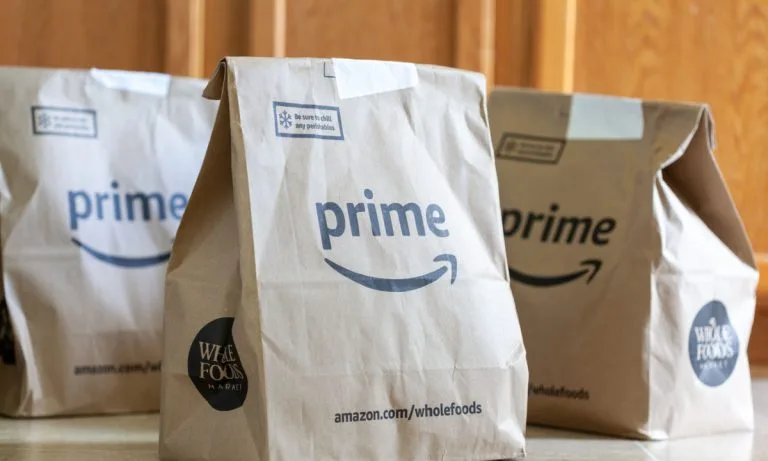
(Image Source)

GLO

As established retailers grapple with the delicate balance of attracting grocery delivery customers while maximizing per-order profits, Amazon is once again tweaking its free delivery minimum for Prime members.

The e-commerce giant announced on Thursday (October 5) that it’s lowering the bar for free grocery delivery for Prime subscribers to $100, down from the earlier threshold of $150, which itself had been introduced earlier in the year and was a significant hike from the previous $35 minimum.

This move is occurring against the backdrop of major retailers navigating the complexities of making eGrocery a more profitable venture versus winning over customer loyalty amidst stiff competition. Walmart, for instance, offers free grocery delivery on orders over $35 for its Walmart+ members, with non-members incurring fees ranging from $7.95 to $9.95.

Costco’s fees are variable based on several factors, but same-day delivery is only an option for orders of $35 or more.

Amazon’s adjustment to its free delivery minimum for members reflects its ambition to increase its share of the grocery market, an area where it significantly trails behind its competitor Walmart. According to PYMNTS Intelligence, Walmart commands a 19.3% share of consumers’ spending on food and beverages, which is nearly eight times Amazon’s 2.6% share.

In general, due to ongoing financial challenges, consumers have been hesitant to pay substantial fees for delivery or additional charges for services. For instance, in the realm of restaurant ordering, a PYMNTS Intelligence report highlighted that 58% of takeout customers opt for pickup to save on delivery fees, and 48% said inflation has made them more inclined to choose pickup over delivery.

Moreover, high free delivery thresholds tend to limit the audience for online grocery shopping. PYMNTS Intelligence notes that eGrocery is heavily skewed towards higher-income individuals. A study from the previous year found that almost half of consumers earning $100,000 or more annually, who don’t live paycheck to paycheck, had bought groceries online in the prior month. In contrast, a significantly smaller percentage of low-income consumers or those without a financial safety net had done the same.

Nevertheless, overall adoption of grocery delivery is on an upward trend. For example, U.S. grocery powerhouse Kroger reported a 12% year-over-year digital growth, partly driven by increased delivery orders. Similarly, Albertsons revealed in its most recent earnings report that its eCommerce sales surged by 22% in the first quarter of Fiscal Year 2023.

As more consumers turn to digital channels, the growth of grocery delivery is likely to persist in the coming year. A PYMNTS Intelligence report created in collaboration with Amazon Web Services (AWS) found that 32% of shoppers stated they are very or extremely likely to increase their online grocery purchases in the next year.

Source: PYMNTS 

read full article here 

Leave a Comment

Global Loyalty Organisation
Privacy Overview

This website uses cookies so that we can provide you with the best user experience possible. Cookie information is stored in your browser and performs functions such as recognising you when you return to our website and helping our team to understand which sections of the website you find most interesting and useful.