
To access the complimentary WiFi service, customers will need to enter their KrisFlyer membership details during booking or check-in.

(Image Source)
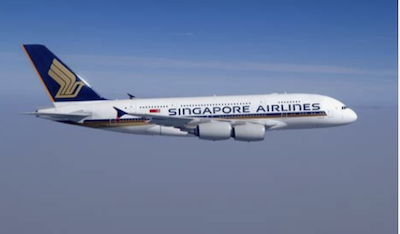
GLOStarting from July 1st, 2023, Singapore Airlines (SIA) will become one of the first major international airlines to offer free and unlimited WiFi to all passengers in every travel class. This new offering will be accessible on nearly all of SIA’s aircraft and routes worldwide.
Passengers in all cabin classes, from first class to economy, will be able to stay connected, work, communicate with loved ones, and browse the internet while on board. Mr Yeoh Phee Teik, Senior Vice President of Customer Experience at Singapore Airlines, expressed the importance of high-speed in-flight WiFi connectivity in today’s hyper-connected world and the airline’s commitment to providing an exceptional travel experience.
This move not only benefits passengers but also serves as a strategy to encourage more people to join SIA’s KrisFlyer frequent flyer loyalty program. To access the complimentary WiFi service, customers will need to enter their KrisFlyer membership details during booking or check-in. Non-members can sign up for free membership online or on their flight via the SIA digital content portal.
While passengers in Suites, First Class, and Business Class already enjoy free unlimited in-flight WiFi, KrisFlyer members in Premium Economy Class and Economy Class have been offered limited WiFi surf plans since February 2023.
The free WiFi rollout will cover the entire SIA fleet, with the exception of the seven Boeing 737-800 aircraft used for short-haul routes. SIA’s recent announcement of record annual profits further solidifies the airline’s success, with strong demand for air travel contributing to the positive results.
SIA and its low-cost carrier, Scoot, carried 26.5 million passengers in the past year, six times more than the previous year. The group’s passenger load factor reached its highest level at 85.4%. SIA’s profits for the fiscal year ending March 31st amounted to S$2.16 billion (US$1.63 billion), marking a significant turnaround after posting losses for three consecutive years. The group’s passenger capacity has been steadily recovering, surpassing the average in the Asia-Pacific region and projected to reach around 83% of pre-COVID-19 levels in the first half of the current financial year.
