

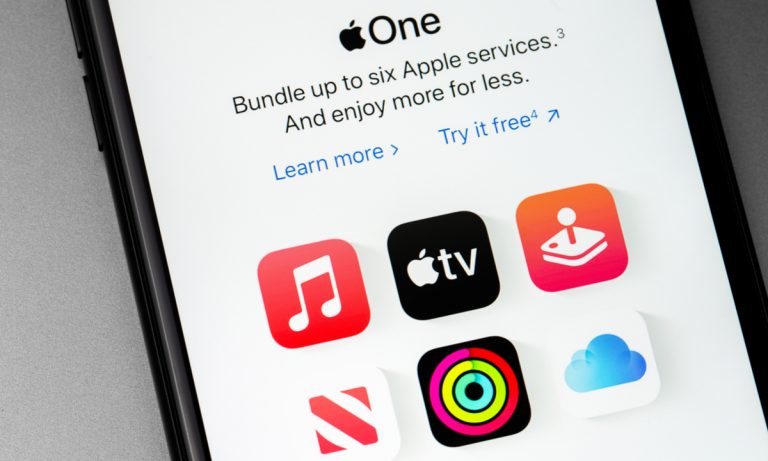
Apple's success in reaching 1 billion paid subscriptions is largely attributed to its well-established ecosystem. Services like Apple Music, Apple TV+, Apple News+, Apple One, and iCloud seamlessly integrate...

(Image Source)
GLORetail subscription commerce has gained significant popularity as consumers increasingly seek simplified ways to access curated content and services.
This trend is supported by data. The “Subscription Commerce Tracker®,” a collaboration between PYMNTS and Vindicia, reveals that the average consumer spent $273 per month on subscriptions in 2021, a 15% increase from $237 in 2018.
Consequently, providers aiming to maintain user engagement and subscription renewals must prioritize responsiveness and delivery. Notably, Apple has achieved a milestone of 1 billion paid subscriptions, while Amazon reported a 14% surge in subscription services revenue during Q2 2022. These brands have mastered the art of converting subscribers into brand advocates.
Apple’s success in reaching 1 billion paid subscriptions is largely attributed to its well-established ecosystem. Services like Apple Music, Apple TV+, Apple News+, Apple One, and iCloud seamlessly integrate within the Apple ecosystem, making it convenient for users to subscribe to multiple services and thus boosting conversion rates. Personalization also plays a key role, as Apple employs advanced data analytics for tailored content recommendations and bundled services, enhancing retention and reducing churn rates.
Amazon’s ecosystem also stands out, with its emphasis on discount pricing, flexible delivery schedules, and easy subscription management, as noted by Brian Bogosian, CEO of sticky.io. Research from sticky.io and PYMNTS highlights Amazon Subscribe and Save’s high affinity, indicating Amazon’s dominance in the space and offering lessons for other subscription merchants.
Both Apple and Amazon have cultivated loyal subscriber bases, a segment significantly contributing to providers’ revenue. PYMNTS research identifies guarantees or refunds, plan changes, and the ability to pause service as key features driving loyalty. These features bolster customer retention, particularly since loyal subscribers have a high lifetime value, spending an average of $65 monthly per subscription and maintaining subscriptions for around 30 months on average.
While loyalty is essential, it’s not the sole factor. The research indicates that 37% of loyalist retail subscribers would cancel subscriptions without free shipping, and 28% would cancel due to refund-related issues or undesirable products. Additionally, 28% of loyalists might cancel due to excessive promotions, automatic renewal without consent, or unsatisfactory customer service.
Although ecosystems contribute to building loyalty, successful brands must continually innovate to maintain customer loyalty. This involves offering more detailed and innovative features to attract and retain long-term customers.
Source: pymnts
