
Ad-Panel
Join GLO today for largest global network of loyalty & CX professionals and latest loyalty research & analysis.
Home » Articles » Drexel University study: Self-checkout hurting customer loyalty

Drexel University study: Self-checkout hurting customer loyalty

by GLO
0 comments

The research findings reveal that the traditional checkout process, featuring a human cashier, is associated with higher levels of customer loyalty and an increased likelihood of future visits compared to self-checkout alternatives.

GLO

(Image Source)

GLO

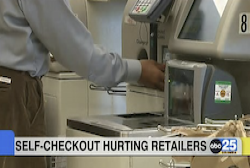
The widespread adoption of self-checkout technology by retailers over the last decade has presented a myriad of challenges, ranging from theft to scanning errors. A recently conducted study by researchers at Drexel University, published in the Journal of Business Research, has shed light on yet another significant issue arising from the aggressive rollout of self-checkout systems: a decline in customer loyalty.

The research findings reveal that the traditional checkout process, featuring a human cashier, is associated with higher levels of customer loyalty and an increased likelihood of future visits compared to self-checkout alternatives. According to the study, customers perceive the regular checkout experience as more rewarding and valuable. This positive perception stems from the fact that regular checkout involves less effort on the part of customers, with cashiers handling tasks such as scanning, bagging, and payment processing.

Customers using regular checkout also feel a sense of entitlement as consumers of that particular store, contributing to their loyalty. In contrast, self-checkout shifts the responsibility and effort onto customers, leading to decreased feelings of reward and satisfaction. The study identifies the additional effort required during self-checkout, including the tasks of checking out and bagging purchases, as negative consequences that result in reduced loyalty to the store.

The researchers conducted five studies, comparing the two checkout methods using a shopping cart containing 15 items. Their recommendations for retailers looking to enhance loyalty through self-checkout include convincing customers that the extra effort involved is worthwhile, potentially by offering increased savings or rewards.

The challenges associated with self-checkout have prompted retailers to reconsider the widespread use of this technology. Issues such as higher merchandise losses, intentional shoplifting, and customer errors have led companies like Booths and Walmart to remove or adjust self-checkout machines in their stores. Retailers are increasingly recognizing the need to strike a balance between the benefits and challenges posed by self-checkout systems. As the landscape evolves, finding innovative ways to address customer concerns and enhance the self-checkout experience will be crucial for retailers aiming to maintain customer loyalty in the face of changing consumer preferences and expectations.

Leave a Comment

Global Loyalty Organisation
Privacy Overview

This website uses cookies so that we can provide you with the best user experience possible. Cookie information is stored in your browser and performs functions such as recognising you when you return to our website and helping our team to understand which sections of the website you find most interesting and useful.