
Ad-Panel
Join GLO today for largest global network of loyalty & CX professionals and latest loyalty research & analysis.
Home » Articles » Loyalty and payments integration: Visa Payment Monitor & forsa research institute study indicates that Swiss increasingly are paying with digital and wearable devices

Loyalty and payments integration: Visa Payment Monitor & forsa research institute study indicates that Swiss increasingly are paying with digital and wearable devices

by GLO
0 comments

37%+ of Swiss now use payment methods such as a smartphone or a smart watch – up from 25% just two years ago.

GLO

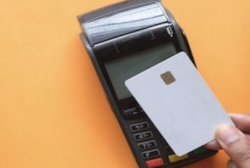
(Image Source)

GLO

A recent survey conducted by the Visa Payment Monitor in collaboration with the forsa research institute has unveiled a notable rise in the adoption of digital payment methods in Switzerland. The research, involving feedback from 1,000 participants, indicates that 37% of Swiss individuals now favor payment options like smartphones and smartwatches, a significant increase from the 25% recorded two years ago.

The survey also emphasizes a shift in consumer preferences, with 72% of respondents indicating a preference for digital payment methods. In regions where German is spoken, 27% actively avoid establishments lacking digital payment options, a figure that rises to 34% in French-speaking Switzerland and 37% in Ticino. Despite the growing popularity of digital payments, the study notes challenges that still need to be addressed. Approximately 36% of respondents reported encountering rejection of digital payments at least once a month in shops, particularly noting the absence of digital payment options in small shops and at weekly and Christmas markets.

Interestingly, the survey reveals a significant uptick in mobile payments among older demographics, with one in four individuals over the age of 60 having made a mobile payment—a substantial increase from the previous year. This trend is mirrored in younger age groups, where 52% of those under 36 have used smartphones or wearable devices for checkout payments.

Moreover, the study illustrates a rising preference for online shopping through mobile devices, with 72% of respondents reporting the use of mobile devices for online purchases—an increase of seven percentage points from the previous year. Additionally, two-thirds of consumers have now digitally stored their credit card information, with 59% expressing willingness to store their card data in digital form.

These survey findings underscore a significant transformation in the payment landscape in Switzerland, with the increasing popularity of mobile payments influencing consumer behavior. As digital payment methods continue to advance and gain broader acceptance, it is probable that the use of cash will face continued competition from digital alternatives in the country.

Q: What were the key findings of the recent survey in Switzerland?

A: The survey uncovered a notable surge in the adoption of digital payment methods in Switzerland. Specifically, it revealed that 37% of Swiss individuals now favor payment options like smartphones and smartwatches, representing a significant increase from the 25% recorded two years ago.

Q: How many respondents indicated a preference for digital payment methods?

A: A substantial 72% of respondents expressed a preference for digital payment methods.

Q: Are there any challenges associated with digital payments?

A: Yes, the survey identified challenges with digital payments, with around 36% of respondents reporting experiences of payment rejection at least once a month in shops. Notably, small shops and weekly and Christmas markets were highlighted as places where the absence of digital payment options is particularly felt.

Q: Was there a notable increase in mobile payments among older demographics?

A: Indeed, the survey demonstrated a significant rise in mobile payments among older demographics, with one in four individuals aged over 60 having made a mobile payment—a marked increase compared to the previous year.

Q: What percentage of respondents reported using mobile devices for online purchases?

A: A substantial 72% of respondents reported using mobile devices for online purchases.

Definitions:

  • Digital payment methods: Electronic platforms like smartphones and smartwatches used for making transactions.
  • Rejection of digital payments: Instances where shops do not accept digital payment options, preventing customers from completing transactions digitally.
  • Mobile payments: Payments made using mobile devices, such as smartphones or wearable devices.
  • Consumer behavior: The actions and choices individuals make when engaging in purchasing products or services.

Leave a Comment

Global Loyalty Organisation
Privacy Overview

This website uses cookies so that we can provide you with the best user experience possible. Cookie information is stored in your browser and performs functions such as recognising you when you return to our website and helping our team to understand which sections of the website you find most interesting and useful.