
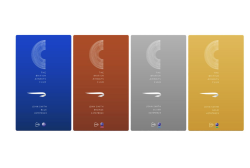
The recent shift have introduced spending-based metrics for earning status, making it harder for frequent fliers to achieve elite tiers unless they also engage in high levels of spending through co-branded credit cards or direct purchases. These changes have left many travelers questioning the value of traditional loyalty programs and whether they still cater to frequent travelers or primarily reward big spenders.

(Image Source)
GLORecent changes in airline loyalty programs have sparked widespread debate, with major carriers like Delta, United, and American Airlines shifting their focus from miles flown to dollars spent. British Airways recently joined this trend in January 2025 by overhauling its Executive Club program, making it harder for travelers to gain status through flying alone and increasing the emphasis on spending through co-branded credit cards and direct purchases. These shifts have introduced spending-based metrics for earning status, making it harder for frequent fliers to achieve elite tiers unless they also engage in high levels of spending through co-branded credit cards or direct purchases. These changes have left many travelers questioning the value of traditional loyalty programs and whether they still cater to frequent travelers or primarily reward big spenders.
The Shift to Profitability Through Loyalty Programs
Airlines like United and Delta have consistently adjusted their loyalty programs, often implementing changes that erode the value proposition for frequent fliers. These adjustments, which include redefining mileage criteria and limiting access to perks, can leave even the most loyal customers feeling undervalued. Consequently, many are questioning whether these programs still serve their intended purpose.
Mark Ross-Smith, CEO of Loyalty Status Co., highlights the economics behind these shifts. “Operating margins from selling a domestic seat are around 12%, and even less in coach,” he explains. “In contrast, loyalty programs, which sell points and miles to banks, operate with margins between 30% and 80%. These programs require fewer resources, no airplanes to maintain, and no pilots or unions. It’s insanely attractive for airlines to prioritize rewarding high spenders who bolster the loyalty program’s profitability rather than frequent fliers.”
This profitability focus has led airlines to lean heavily on partnerships with credit card companies and reward spending over flying. For instance, American Airlines’ AAdvantage program generates significant revenue through credit card partnerships, shifting its emphasis from flight miles to loyalty points.
Customer Experience Still Matters
Despite the financial benefits of prioritizing high spenders, some experts argue that airlines risk alienating their customer base by ignoring the value of the overall travel experience. Chris Lewis, head of research at FinanceBuzz, notes, “While airlines need to be profitable, they’re realizing that cutting corners on customer experience is counterproductive. Public discourse about air travel is already negative. If customers pay a premium and still have a subpar experience, it’s doubly offensive. Airlines must find ways to improve customer experience, especially for those choosing them over budget carriers.”
This sentiment resonates with frequent travelers, who often weigh not only the cost of travel but also the quality of service they receive. Negative experiences on premium airlines are more damaging than those on budget carriers because they contradict customer expectations.
Frequent Fliers as Brand Ambassadors
John Taylor Garner, founder and CEO of Odynn, emphasizes the importance of viewing frequent fliers as “brand ambassadors.” He explains, “Frequent travelers might not spend as much as co-branded credit card holders, but they play a crucial role in marketing. A satisfied frequent flier can influence friends, family, and colleagues, driving future bookings. Ignoring this demographic risks losing long-term loyalty.”
This approach underscores the potential of frequent fliers to amplify an airline’s brand image through word-of-mouth marketing. Airlines that focus exclusively on immediate profitability may miss the bigger picture: building long-term loyalty through exceptional customer experiences.
Missed Opportunities for Sustained Loyalty
American Airlines’ recent revamp of its AAdvantage loyalty program—shifting its focus to direct bookings and in-ecosystem spending—illustrates this trend. While this strategy aims to maximize short-term profitability, it may inadvertently neglect the long-term value of frequent fliers.
“American Airlines is fundamentally a credit card marketing company that flies planes,” Ross-Smith observes. By prioritizing high-spending customers over frequent travelers, airlines risk losing customer trust and satisfaction. This could undermine the traditional loyalty program model, which relies on fostering long-term relationships with travelers.
Premium Offerings and Business Bundles
To capitalize on spending trends, airlines are introducing more premium offerings, such as business bundles, to attract high-value customers. Jagdish Ghanshani, managing partner at Publicis Sapient, highlights the challenges of these initiatives: “Business travel is often expensed, but business bundles can be difficult to justify unless companies have flexible expense policies. Airlines must collaborate with corporate travel agents to ensure these bundles align with corporate policies.”
This move toward premium services reflects a broader trend. Ross-Smith notes, “Demand for premium seating has never been higher. Airlines globally are installing more business and first-class capacity to cater to premium leisure and business travelers. The evolution of products like business bundles targets corporate flyers with near-unlimited budgets.”
Balancing Status Perks and Profitability
Airlines face a delicate balancing act between maintaining customer loyalty and enhancing profitability. Making elite status too easy to achieve can dilute its value, leading to overcrowding in lounges and reduced availability of upgrades. At the same time, overly stringent requirements can alienate loyal customers.
Chris Lewis comments, “Airlines have recognized the need to diversify income streams without compromising customer experience. Rewarding actions that directly impact profitability, such as credit card spending, aligns with this goal. However, airlines must also ensure they’re not alienating loyal fliers who drive brand advocacy.”
Public Reactions and Takeaways
The public’s reaction to these changes has been mixed. Frequent travelers express frustration on social media platforms and travel forums, criticizing devalued points and restricted benefits. Others, particularly credit card users who benefit from spending-based rewards, view these programs favorably.
Some notable takeaways include:
-
Increased Transparency: Travelers demand greater clarity about how loyalty programs work and how they can maximize benefits.
-
Better Experiences Matter: Customers are willing to pay a premium for improved experiences, but they expect airlines to deliver on this promise.
-
Corporate Collaboration: Airlines must work with corporate travel planners to create offerings that align with business policies.
-
Loyalty Programs as Marketing Tools: Frequent fliers’ word-of-mouth endorsements can significantly impact brand perception and future bookings.
Airline loyalty programs are evolving to prioritize profitability over traditional metrics of customer loyalty. While this approach may benefit airlines in the short term, it risks alienating frequent fliers who have historically been the backbone of these programs. To remain competitive, airlines must strike a balance—rewarding high spenders while maintaining strong relationships with their most loyal customers. Failure to do so could jeopardize both their profitability and long-term sustainability.
Source: GLO
Disclaimer: Press release
© Press Release 2025
Send us your press releases to news@globalloyalty.org
Press releases originate from external third-party providers. This website does not have responsibility or control over its content, which is presented as is, without any alterations. Neither this website nor its affiliates guarantee the accuracy of the views or opinions expressed in the press release.
The press release is intended solely for informational purposes and does not offer tax, legal, or investment advice, nor does it express any opinion regarding the suitability, value, or profitability of specific securities, portfolios, or investment strategies. Neither this website nor its affiliates are liable for any errors or inaccuracies in the content, nor for any actions taken based on it. By using the information provided in this article, you agree to do so at your own risk.
To the maximum extent permitted by applicable law, this website, its parent company, subsidiaries, affiliates, shareholders, directors, officers, employees, agents, advertisers, content providers, and licensors shall not be liable to you for any direct, indirect, consequential, special, incidental, punitive, or exemplary damages, including but not limited to lost profits, savings, and revenues, whether in negligence, tort, contract, or any other theory of liability, even if the possibility of such damages was known or foreseeable.
The images used in press releases and articles provided by 3rd party sources belong to the respective source provider and are used for illustrative purposes in accordance with the original press releases and publications.
Disclaimer: Content
While we strive to maintain accurate and up-to-date content, Global Loyalty Organisation Ltd. makes no representations or warranties of any kind, express or implied, about the correctness accuracy, completeness, adequacy, or reliability of the information or the results derived from its use, not that the content will meet your requirements or expectations. The content is provided “as is” and “as available”. You agree that your use of the content is at your own risk. Global Loyalty Organisation Ltd. disclaims all warranties related to the content, including implied warranties of merchantability, fitness for a particular purpose, non-infringement, and title, and is not liable for a particular purpose, non-infringement, and title, and is not liable for any interruptions. Some jurisdictions do not allow the exclusion of certain warranties, so these jurisdictions may not apply to you. Global Loyalty Organisation Ltd. Reserves the right to modify, interrupt, or discontinue the content without notice and is not liable for doing so.
Global Loyalty Organisation Ltd. shall not be liable for any damages, including special, indirect, consequential, or incidental damages, or damages for lost profits, revenue, or use, arising out of or related to the content, whether in contract, negligence, tort, statute, equity, law, or otherwise, even if advised of such damages. Some jurisdictions do not allow limitations on liability for incidental or consequential damages, so this limitation may not apply to you. These disclaimers and limitations apply to Global Loyalty Organisation Ltd. and its parent, affiliates, related companies, contractors, sponsors, and their respective directors, officers, members, employees, agents, content providers, licensors, and advisors.
The content and its compilation, created by Global Loyalty Organisation Ltd, are the property of Global Loyalty Organisation Ltd. and cannot be reproduced without prior written permission.
